Choosing the Right Picture Story for Your Child
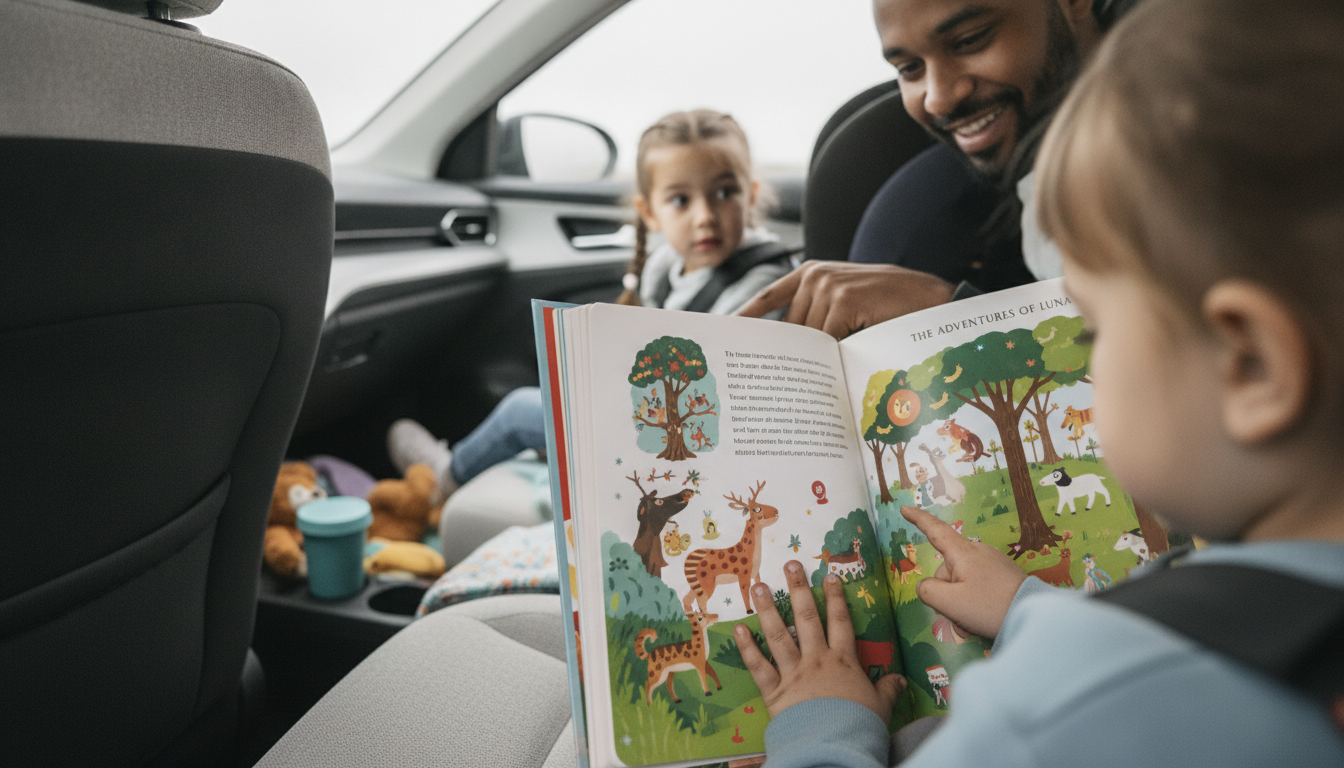
How do I choose a picture story for my child?
Start with your child’s current interests and attention span. A “picture story” can be a wordless book, a lightly written picture book, or a photo-based story—so the best choice depends on how your child engages with images and how much narration you plan to do together.
Match the book to your child’s age and attention
For toddlers, look for sturdy pages, bold images, and simple sequences (eat, play, sleep). For preschoolers, choose stories with clear emotions, a problem-and-solution, and a few repeating lines. For early elementary kids, pick richer scenes that invite detail-spotting and prediction.
Choose themes that feel familiar (then stretch a little)
Books about daily routines, animals, vehicles, and family life tend to land well because kids can “read” the pictures from experience. Once you have a reliable favorite, add one book that gently expands their world—new places, new cultures, or a different type of main character—without making the plot hard to follow.
Look for strong visual storytelling
A great picture story is easy to follow without heavy explaining. Check that each page clearly shows who is doing what, and that the illustrations naturally guide the eye from action to action. Expressive faces, visible cause-and-effect, and consistent characters make it easier for children to narrate back to you.
Test-read before you buy
Open to a random spread and ask: “What’s happening here?” If your child can answer—or you can easily model a short sentence—the book is likely a good fit. Also scan for anything that might be too intense at bedtime (loud conflicts, scary shadows) if the book will be part of a calming routine.
For more tips and examples, visit the full guide here: https://catchyfavoritespoint.shop/how-do-i-choose-a-picture-story-for-my-child/.
FAQ
What makes a picture book “too advanced” for a child?
If the images are crowded, the story jumps in time, or the emotions and motives are hard to read from faces and actions, your child may lose the thread. A better match is a book where they can describe each page confidently and predict what happens next.










Leave a comment